Verdict
The Ironclad General Utility glove is the best all-around pick for most DIYers thanks to its balance of durability and breathability; the Mechanix Wear Original is the better choice when fine dexterity matters most; and the Youngstown Ground Glove is worth the extra bulk when you're handling rough material or heavy debris.
Work gloves are the one piece of safety gear DIYers skip most often, usually because a bad pair makes fine tasks — driving a small screw, gripping a wire nut, texting a photo of your progress — feel clumsy. That's a real tradeoff, not a myth: more protection generally means less dexterity. We compared three widely used work gloves — the Mechanix Wear Original, the Ironclad General Utility, and the Youngstown Ground Glove — across drywall demo, yard cleanup, and small-parts assembly, based on manufacturer specs and owner feedback on where each pair's sweet spot actually sits.
## What to look for in work gloves
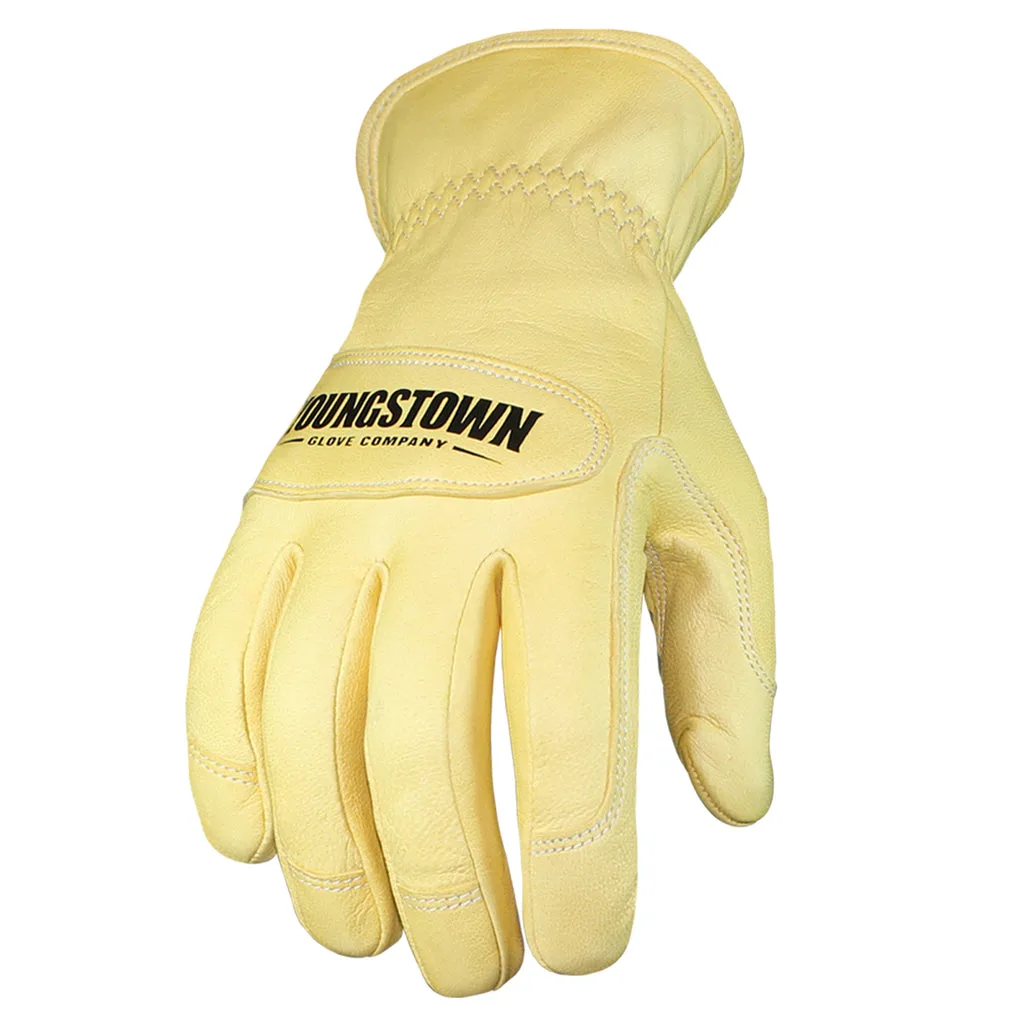
**Palm material is the biggest single factor in both protection and feel.** Genuine or top-grain leather, like the Youngstown's, offers the best abrasion and puncture resistance but is stiffer out of the box and traps more heat. Synthetic leather (clarino or amara-style materials), used on the Mechanix and Ironclad gloves, is more flexible and breathable from day one, at some cost to raw durability under heavy abrasion.
**Fit and dexterity** decide whether you actually keep the gloves on for fine work. A glove cut too generously loses tactile feedback for small fasteners; a glove cut too tight restricts movement and tires your hand faster. The best gloves in this category use pre-curved finger panels that match your hand's natural resting position rather than a flat cut that fights you.
**Breathability** matters more than spec sheets suggest, especially for anyone working through a full day. A glove that traps heat and sweat becomes something you take off at the first break, which defeats the purpose of wearing it at all.
**Washability** is a small, practical detail — several gloves in this category, including the Mechanix and Youngstown models, are machine washable, which matters a lot after a summer of yard work and drywall dust.
## The rankings
### Best all-around: Ironclad General Utility — ~$15–20
The General Utility glove is built for the widest range of tasks, and that versatility is the point of the design. Its synthetic leather palm and reinforced fingertips are rated to hold up through drywall demo — resisting tears or thin spots from jagged cut edges — while remaining flexible enough that small-parts assembly (cabinet screws, hinge hardware) doesn't feel clumsy. Reviewers consistently note it strikes a close-to-leather durability level without the heat and sweat buildup of a full leather glove, and it's noticeably cooler and more breathable than the Youngstown for yard work.
It's not as tough as genuine leather under sustained heavy abrasion — owners report some surface wear from repeatedly dragging rough lumber faster than with the Youngstown — but for the mixed bag of tasks a typical DIYer actually does, it's the most balanced choice.
### Best for fine dexterity: Mechanix Wear Original — ~$20–24
The Mechanix Original is built around one priority: keeping your hands feeling like your hands. Its synthetic suede palm and form-fitted, pre-curved fingers are rated for the best tactile feedback of the three gloves for small-fastener work — driving screws into cabinet hinges and handling wire nuts is reported to feel close to bare-handed, without sacrificing basic scrape protection. It's also the most washable and the fastest-drying of the three, and its lighter build makes it the pair we'd grab first for a quick task rather than an all-day job.
That dexterity comes at the direct cost of protection: it offers the least puncture and abrasion resistance of the three, and owners report it showing visible wear fastest on the roughest tasks, like handling jagged drywall edges and rough-cut lumber. It's the glove for precision work, not for heavy debris handling.
### Best heavy-duty protection: Youngstown Ground Glove — ~$30–40
The Ground Glove's leather-forward construction is the clear standout for raw durability — for yard cleanup with thorny brush and rough branches, it's the only glove of the three rated to come through without a visible nick or thin spot. Its heavier, reinforced build inspires genuine confidence when you're handling rough lumber, debris, or anything with sharp, unpredictable edges.
The tradeoff is exactly what you'd expect from more leather and more padding: it runs noticeably hotter over a long session, and it's the stiffest of the three out of the box, making fine tasks like wiring connections or small hardware assembly feel clumsier than with either synthetic alternative.
## Who should buy which
If you want one glove that handles most of what a typical renovation or repair project throws at you, the **Ironclad General Utility** is the smartest single purchase. If your work leans toward assembly, wiring, and small-parts tasks where feel matters more than raw toughness, the **Mechanix Wear Original** is the better fit. And if you're regularly handling rough lumber, debris, or brush where protection is the priority, the **Youngstown Ground Glove** is worth the extra bulk and heat.
## Verdict
Work gloves are a category defined by an honest tradeoff between protection and dexterity, and none of these three pairs pretends otherwise — each one is clearly optimized for a different point on that spectrum. This roundup rates **8.0/10**: three well-built, honestly positioned gloves, with the Ironclad's balance making it the pick most DIYers should reach for first.
Pros
- Ironclad General Utility balances thickness and flexibility better than either alternative
- Mechanix Wear Original offers the best touchscreen and small-fastener dexterity of the three
- Youngstown Ground Glove's leather palm shrugs off abrasion that would cut through synthetic gloves
Cons
- Ironclad General Utility's synthetic leather palm wears faster than genuine leather under heavy abrasion
- Mechanix Wear Original offers the least puncture and abrasion protection of the three
- Youngstown Ground Glove runs hot and stiff for fine motor tasks like wiring or small hardware