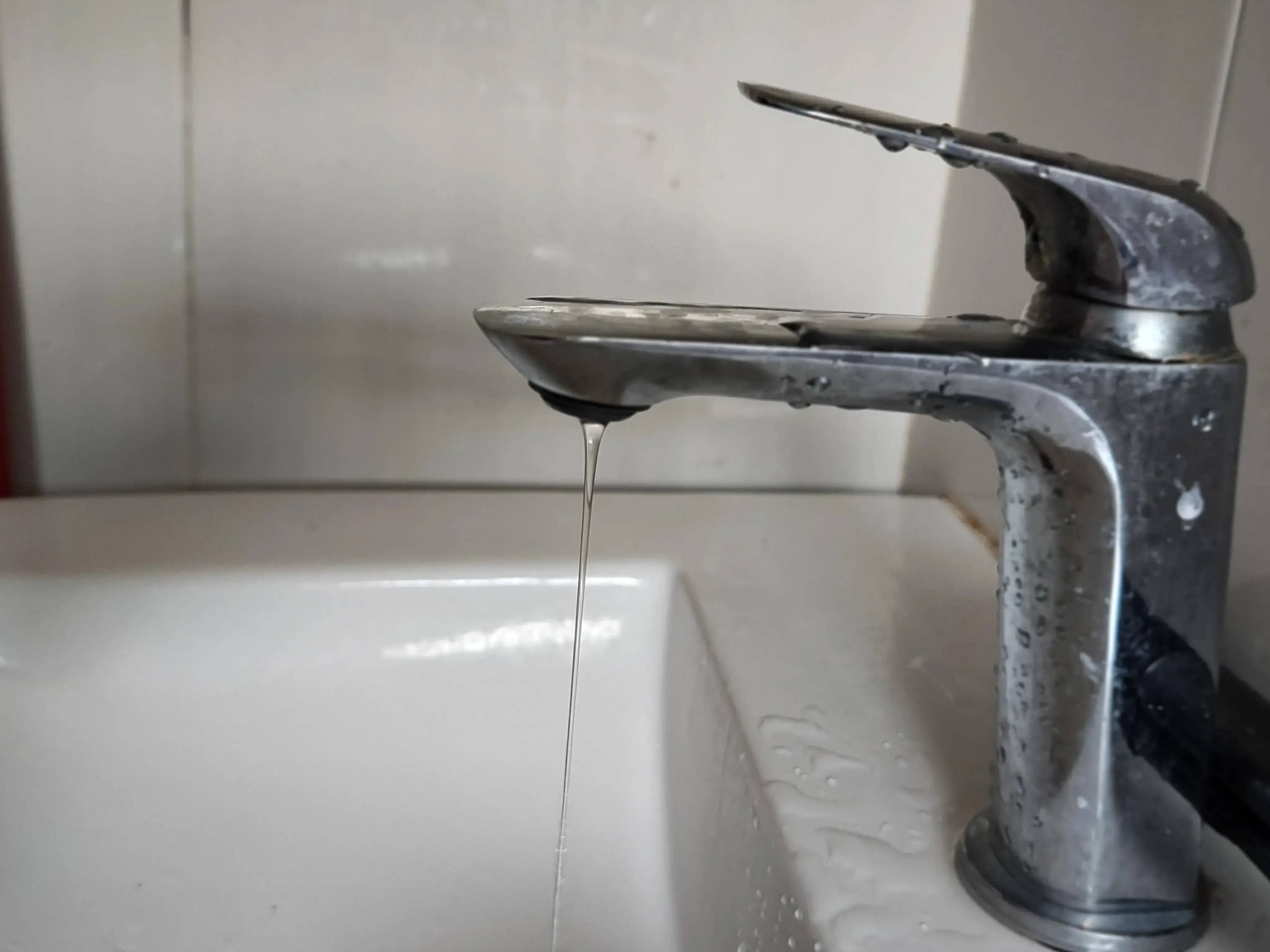
A slow-draining or fully clogged sink is almost never a job for a bottle of chemical drain cleaner, no matter what the label promises. Those products are caustic, they don't work on the hair-and-grease clogs that cause most sink backups, and if the clog doesn't clear, you're now doing mechanical work on a pipe full of lye. I go straight to mechanical methods, in order of least to most invasive. Most clogs die at step one or two.
Start Here: Hot Water and Dish Soap
For a slow drain that isn't fully blocked, this alone sometimes does it. Boil a kettle, add a squirt of dish soap to the drain, and pour the water in slowly, in two or three stages, giving it time to work through the clog rather than dumping it all at once. This cuts through light grease buildup on its own. Skip this step entirely if you have PVC pipes and the clog is severe enough that water is backing up — pooling boiling water against a fully blocked PVC trap can soften or warp the fitting.
Step 1: Plunge It
A sink plunger (the flat-bottomed kind, not the flanged toilet plunger) is the fastest fix for most clogs.
- Remove the pop-up stopper or strainer basket first — plunging against it just wastes your pressure.
- Fill the sink with a couple inches of water so the plunger has something to push against.
- On a double-basin kitchen sink, plug the other drain completely with a wet rag — otherwise your plunging pressure just escapes through the other side instead of pushing on the clog.
- Seal the plunger fully over the drain and plunge with firm, steady strokes for 15–20 seconds. On the last upstroke, pop the plunger off the drain opening sharply — that reverse suction pulls loose material back up instead of just repacking it.
- Run water to check. If it drains fast, you're done. If it's still slow, repeat once or twice before moving on.
Step 2: Clean Out the P-Trap
If plunging doesn't clear it, the clog is very likely sitting in the P-trap — the curved section of pipe under the sink that's specifically shaped to trap debris (and sewer gas). This is a five-minute job with no tools beyond a wrench and a bucket.
- Put a bucket directly under the trap — there's standing water in there and it's coming out.
- Loosen the slip nuts at both ends of the P-trap by hand or with channel-lock pliers (they're usually hand-tight, so don't force them with a big wrench).
- Slide the trap off and dump the contents into the bucket, then check inside — this is where you'll usually find the actual clump of hair, food, or gunk.
- Rinse the trap out, reattach both slip nuts, and run water to check for both drainage and leaks at the joints.
Step 3: Use a Hand Auger
If the clog is past the trap, in the branch line behind the wall, you need an auger (also called a drain snake) — a flexible steel cable on a hand crank, about $15–25 for a basic 25-foot model.
- With the P-trap removed (or through the drain opening if you've reattached it), feed the auger cable into the pipe until you feel resistance.
- Lock the cable and turn the crank clockwise — this is what lets the tip catch and break up the clog rather than just pushing it further down.
- Once you feel the resistance give way, keep cranking a bit further to make sure you've broken through, then slowly retract the cable. Expect to pull back some of what caused the clog.
- Reassemble the trap if you removed it, run hot water for a minute, and check the drain speed.
Prevention: What Actually Works
- Run a drain strainer in every sink — hair and food are the top two causes of sink clogs, and both are caught by a $3 mesh basket.
- Never pour grease down the drain, even with hot water chasing it — it re-solidifies further down the pipe where you can't reach it with a plunger.
- Once a month, run hot water with a tablespoon of dish soap through bathroom and kitchen drains as light maintenance — cheap insurance against the slow buildup that turns into a Saturday-afternoon clog.
When to Call a Plumber
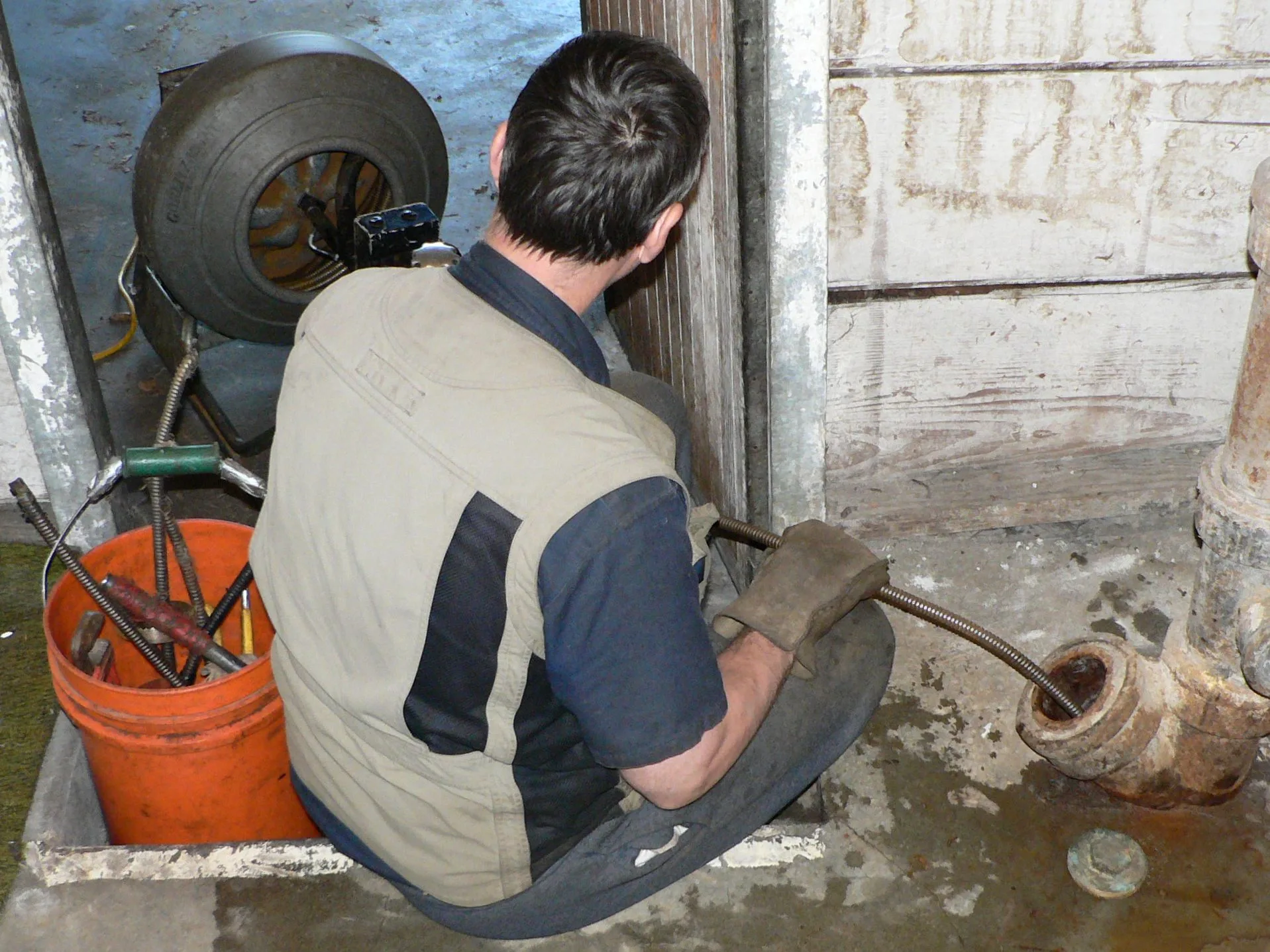
If you've plunged, cleared the trap, and augered the line and it's still backing up — especially if multiple drains in the house are slow at the same time — that points to a clog or blockage further down the main line, not the fixture itself, and it's time for a plumber with a motorized auger or a camera inspection. Also call a pro if you smell sewage after clearing a clog; that can mean a venting problem, not just a blockage.