Painting looks like the cheapest renovation line item on paper — a few gallons of paint and a weekend — which is exactly why people are shocked when a contractor quote comes back at $800 for one bedroom. The material really is cheap. The labor is not. Here's the actual math behind a paint job, and why the quote isn't padding.
Average Cost Per Square Foot
- Walls only: $2–$3/sq ft (roughly $2.75/sq ft average)
- Walls, trim, and ceiling: $4–$6/sq ft (roughly $4.70/sq ft average)
- Regional range: coastal high-cost metros (parts of California) run $3–$9/sq ft, while Texas and the Southeast run 10-15% below the national average
Cost by Room Size
- Standard 12'x12' bedroom: $300–$700
- Typical single room (any type): $400–$1,200
- Full interior repaint, 1,500–2,000 sq ft home: $3,000–$8,000
Where the Money Goes
This is the part that surprises people: labor is 60-90% of a painting bill. On a typical room, that's $240–$1,450 in labor alone, with materials making up the rest. Professional labor for wall painting runs $1.50–$3 per sq ft of wall, on top of material costs. A gallon of quality paint covers roughly 350-400 sq ft for one coat and costs $30-$80 retail — so the paint for an average bedroom (two coats, ~400 sq ft of wall) might run $80-$150 total. The other $300-$900 on your invoice is prep, application time, and cleanup.
What's Actually in a Professional Quote
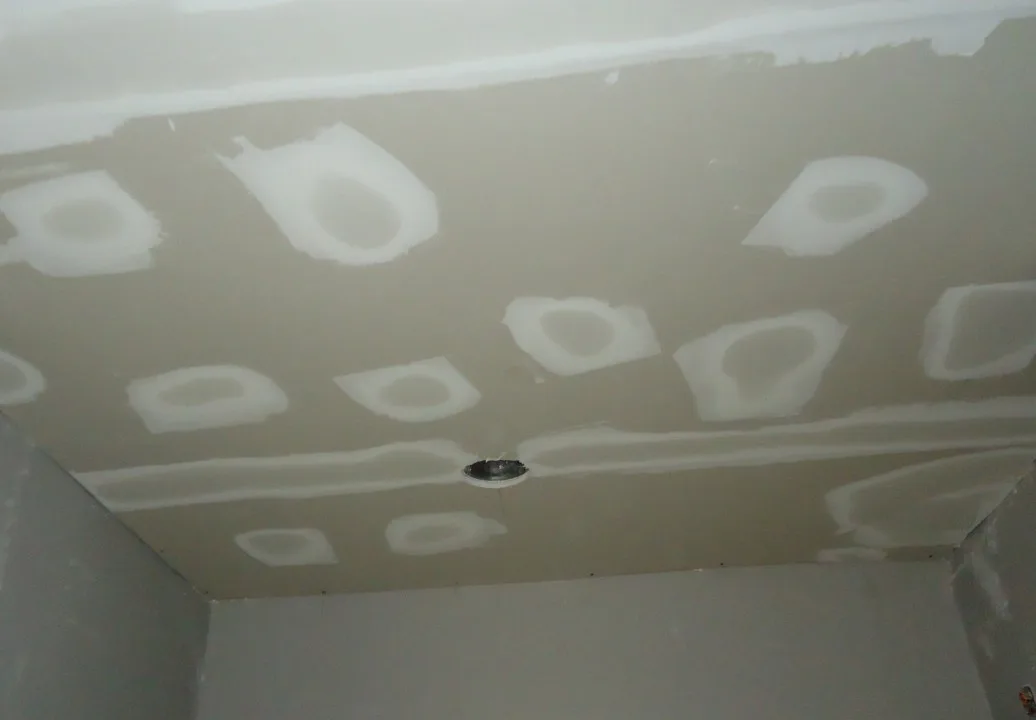
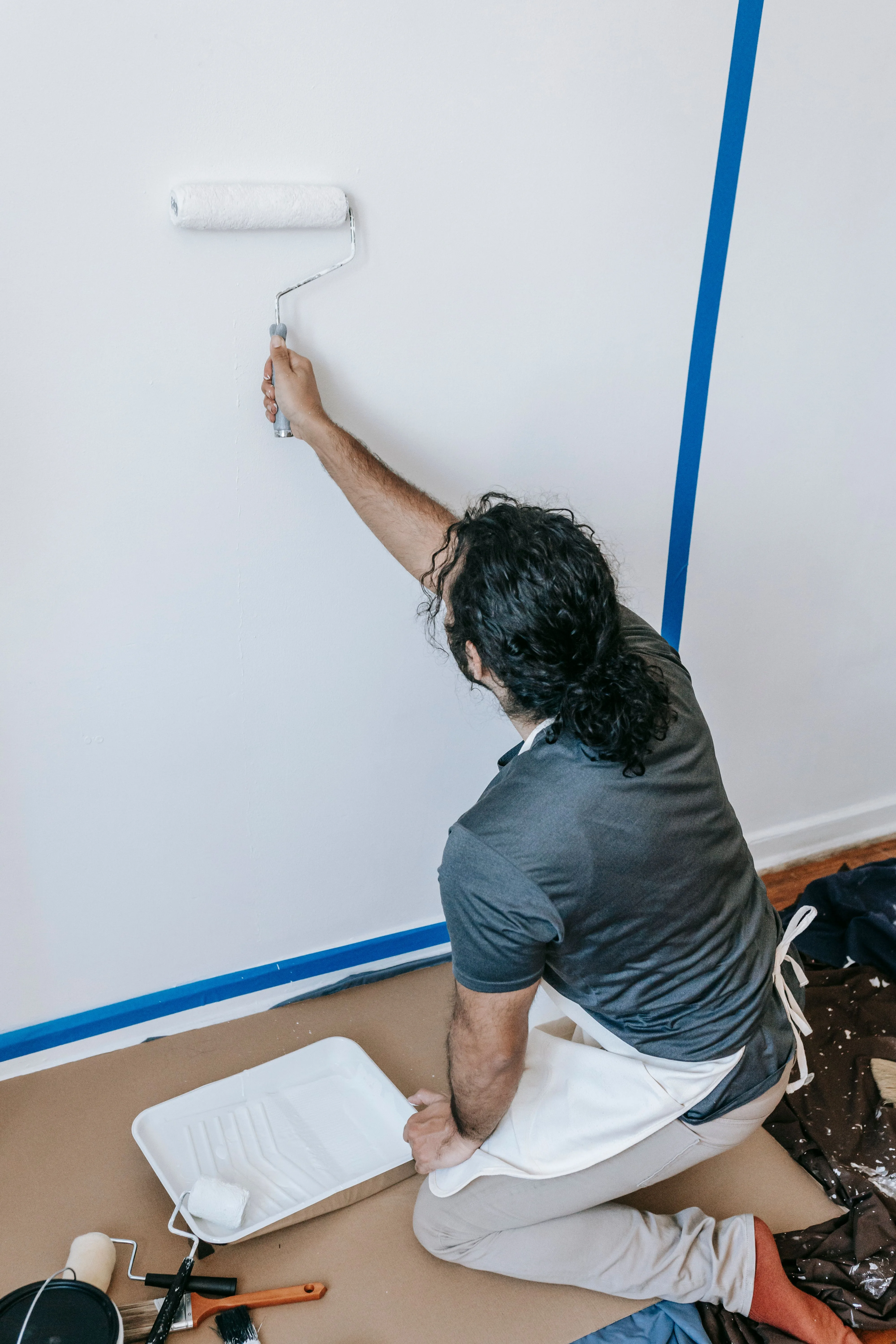
- Prep work: patching nail holes, sanding, taping, covering floors and furniture — often 30-40% of total labor time and the step that separates a good paint job from a sloppy one
- Primer: required on new drywall, major color changes, or water-stained areas — adds $0.50-$1/sq ft
- Paint (2 coats): standard for full coverage and even color
- Trim and ceiling work: charged separately from walls, and detail work (cutting in edges, multiple trim colors) takes disproportionately more time per square foot than rolling open wall space
- Cleanup and touch-up
What Drives the Price Up
- High or vaulted ceilings. Anything above standard 8-9 ft requires scaffolding or extension work, which slows the job and adds a safety-equipment line to the quote.
- Dark-to-light or light-to-dark color changes. Covering a saturated color (navy, deep red) with white or a pale tone often needs 3 coats instead of 2, plus a tinted primer — that's 50% more paint and labor time.
- Textured walls or ceilings (popcorn, heavy orange peel). These soak up more paint and take longer to roll evenly.
- Complicated floor plans. Lots of corners, built-ins, and trim detail multiply cutting-in time, which is the slowest part of any paint job.
- Furniture and fixtures left in place. Painters charge more to work around a fully furnished room versus an empty one — moving furniture out yourself is one of the easiest ways to shave a quote.
What Keeps the Price Down
- Empty the room first. Removing furniture and wall decor yourself saves setup/teardown labor time.
- Stick to similar color values. Repainting a similar shade (light-to-light) often needs only 1-2 coats and skips tinted primer.
- Walls only, skip the ceiling and trim if they're in good shape — this alone roughly halves the per-sq-ft cost versus a full-room repaint.
- Buy mid-grade paint, not premium. The jump from a $35/gallon paint to an $80/gallon "designer" paint rarely changes the finished look enough to justify the cost on a standard interior wall.
DIY vs. Hiring a Pro
Interior painting is the single most DIY-friendly project in this guide — it's low-risk (no gas lines, no structural load), forgiving of minor mistakes, and the tools are cheap. A careful DIYer painting one average bedroom can expect to spend $80-$150 on materials and a weekend of time, against a professional quote of $400-$700 for the same room — that's real savings for a project most people can execute acceptably on their first try. Where we'd still call a pro: multi-story stairwells and high ceilings (fall risk isn't worth saving $200), whole-house repaints where consistency across rooms matters and your time has real value, and any job with lead paint risk (pre-1978 homes) — that requires EPA RRP-certified handling, not a DIY roller.
The Bottom Line
Budget $400–$700 for a professionally painted average bedroom, walls only, in a similar color — and expect that number to climb toward $1,000-$1,200 if you're adding trim, ceiling, a dramatic color change, or working around a fully furnished room. If you're on a tight budget and have a free weekend, this is the renovation project where DIY genuinely makes the most financial sense of anything in this guide.
Sources: Angi — Cost to Paint a Room 2026, HouseCall Pro — Painting Price Guide 2026