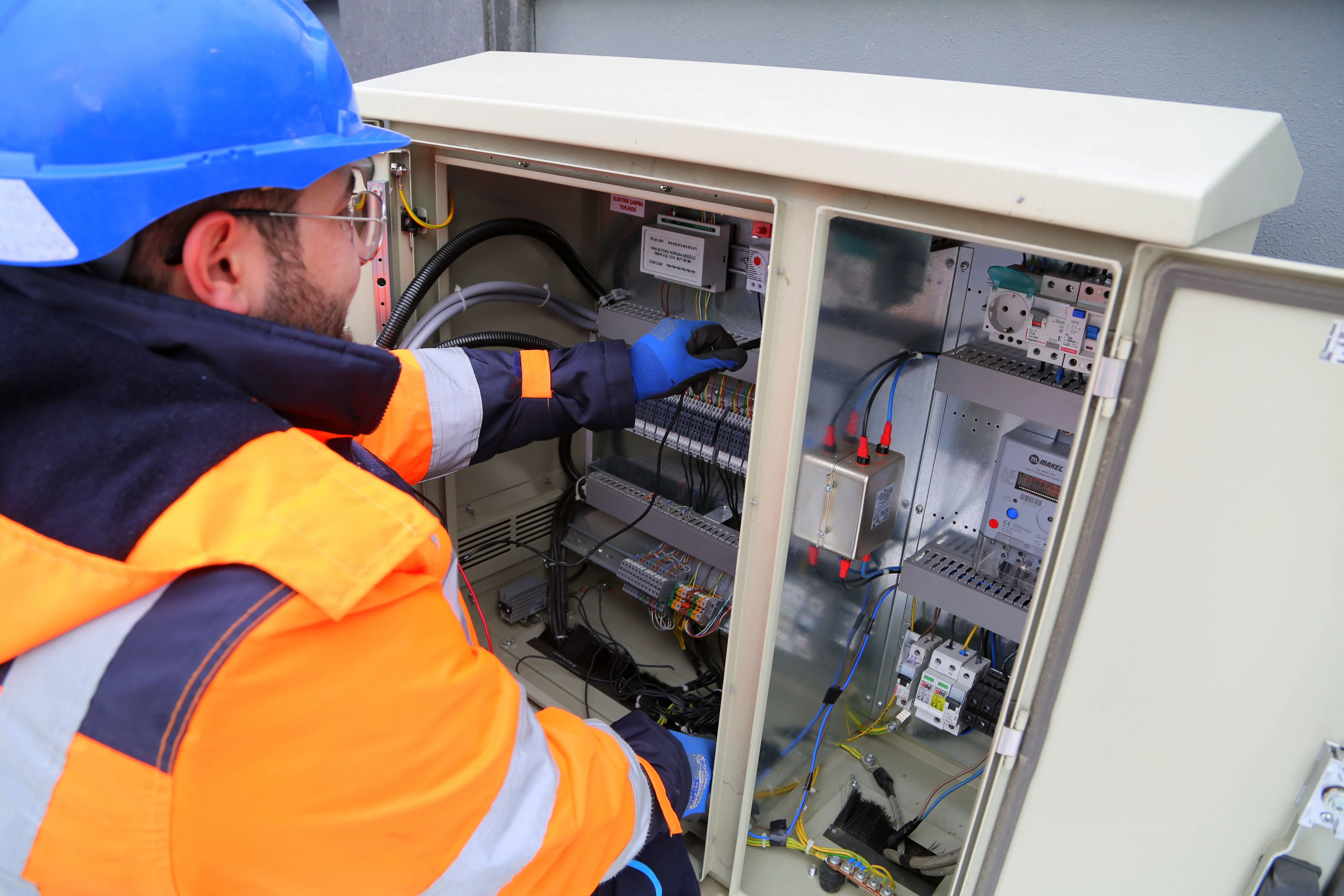
An electrical panel upgrade is one of those projects homeowners put off until they genuinely can't anymore — usually because an insurance company flagged an old fuse box, or a new EV charger and central AC unit tripped the math on what the existing panel can actually handle. The good news: panel pricing is fairly predictable once you know which of three scenarios you're actually in.
Cost by Scenario
- 100A like-for-like replacement (same amperage, swap old panel for new): $1,200–$2,500
- 200A like-for-like replacement (no service change, just a new panel): $1,500–$3,000
- 100A to 200A upgrade (the most common job — increasing capacity): $1,800–$4,200, with high-cost metros reaching $5,500; national average lands around $2,200
- Full service upgrade including utility-side work (new meter socket, weatherhead, service drop — needed when the utility company's connection to your house also needs upsizing): $3,000–$6,000
Why "Like-for-Like" vs. "Upgrade" Matters So Much
A like-for-like swap — replacing a failing 100A panel with a new 100A panel — is comparatively simple: same wire gauges, same breaker slots, same utility connection. An upgrade to higher amperage is a different job entirely, because it can require:
- A larger main breaker and busbar
- New, heavier gauge service entrance wiring from the meter to the panel
- Sometimes a utility company visit to upsize the service drop (the wire running from the pole or transformer to your house) — this part isn't in the electrician's control and can add scheduling delays measured in weeks, not days
That utility-side dependency is why "100A to 200A upgrade" has such a wide range ($1,800-$4,200) — it depends entirely on whether your existing service entrance wiring and utility connection can support 200A with just a panel swap, or whether everything upstream needs replacing too.
What's in the Bill
- Panel unit: $200–$600 for a quality 200A panel (Square D, Eaton, Siemens are the common reliable brands)
- Permit and inspection: $100–$400 — this is non-negotiable and non-skippable; panel work always requires a permit, and skipping it is a real liability and insurance problem
- Labor: $800–$2,000+ depending on complexity
- Service entrance wire upgrade (if needed): $500–$1,500
- Utility coordination fee / temporary power disconnect: sometimes a separate line item, as the power company has to de-energize the line before work starts
What Drives the Price Up
- Inadequate existing service entrance wiring. If the wire from the meter to the panel is undersized for 200A, it needs replacing — this single factor accounts for most of the jump from "panel swap" pricing to "full upgrade" pricing.
- Utility service drop upgrades. When the utility company's own line to your house needs upsizing, that work (and scheduling) is partly out of your electrician's hands.
- Panel relocation. Moving the panel to a new spot in the house (common in older homes where it's inconveniently placed) adds significant labor for new conduit runs and wall work.
- Older home wiring (knob-and-tube, aluminum branch wiring). A panel upgrade sometimes surfaces the need for broader rewiring work once an electrician sees what's actually behind the walls — not required by every job, but common enough in homes built before 1960 that it's worth budgeting a contingency.
- Permit delays and multiple inspections in municipalities with backed-up electrical inspection schedules — this is a time cost more than a dollar cost, but it affects project planning.
What Keeps the Price Down
- Like-for-like replacement if your current amperage genuinely covers your needs — not every house needs 200A; many smaller homes run fine on a well-maintained 100A or 150A service.
- Panel staying in its current location — no relocation work.
- Bundling the upgrade with other planned electrical work (EV charger circuit, new sub-panel) so the electrician is on-site once rather than for separate visits.
- Getting the utility coordination scheduled early — this is the step most likely to cause costly delays if left to the last minute.
DIY vs. Hiring a Pro
Do not DIY this one. Electrical panels are the single point where your entire home's power supply is live, and incorrect work here is a fire and electrocution risk, not a hypothetical one — this is consistently among the leading causes of residential electrical fires when done incorrectly. Beyond the safety case, panel work legally requires a licensed electrician and a permit in essentially every U.S. jurisdiction; DIY panel work that's discovered during a home sale or insurance claim can void coverage entirely. There is no reasonable DIY angle here, not even a partial one — this is 100% a licensed-electrician job.
The Bottom Line
Budget $1,800–$4,200 for the most common job — upgrading a 100A panel to 200A — and get a clear answer from your electrician upfront about whether your existing service entrance wiring and utility drop can support it, or whether you're looking at the fuller $3,000-$6,000 scenario. Get at least two licensed, insured electrician quotes, and don't let anyone talk you into skipping the permit — it's the one thing that protects you if something goes wrong down the line.
Sources: HomeGuide — Cost to Replace Electrical Panel 2026, HVACBase — Electrical Panel Upgrade Cost 2026