Every flooring material has a cheerleader somewhere telling you it's the best choice for every room in the house. It isn't — each one has a cost profile and a durability profile that fit different rooms differently, and the biggest budgeting mistake we see is choosing one material for an entire home instead of matching material to room. Here's the real installed cost across the five mainstream options, side by side.
Installed Cost Per Square Foot (2026)
- Carpet: $2–$8/sq ft installed, average around $3.50/sq ft
- Laminate: $3–$8/sq ft installed, average around $5.00/sq ft
- Luxury Vinyl Plank (LVP): $4–$9/sq ft installed
- Ceramic tile: $5.50–$13/sq ft installed
- Engineered hardwood: $6–$15/sq ft installed
- Porcelain tile: $7–$20/sq ft installed, average around $13/sq ft
- Solid hardwood: $8–$25/sq ft installed
Cost for a Typical 500 Sq Ft Project
- Carpet (budget): $1,500–$2,500
- Laminate: $1,500–$4,000
- LVP: $2,000–$4,500
- Ceramic tile: $2,750–$6,500
- Engineered hardwood: $3,000–$7,500
- Solid hardwood or natural stone tile: $4,000–$12,500+
Matching Material to Room (Where the Real Savings Come From)
The single biggest cost-saving move isn't finding the cheapest material overall — it's not putting an expensive, moisture-vulnerable material where it doesn't belong:
- Bathrooms and laundry rooms: tile or waterproof LVP — never solid hardwood or carpet, which fail from moisture exposure regardless of price point
- Kitchens: tile, LVP, or engineered hardwood — all handle occasional spills; avoid carpet
- Bedrooms: carpet, laminate, or engineered hardwood — low moisture risk, comfort matters more than water resistance
- Basements: LVP or tile only — solid hardwood and carpet both have poor track records against below-grade moisture
- Living rooms/high-traffic areas: engineered hardwood, LVP, or tile — materials that resist wear patterns better than carpet or laminate over 10+ years
What Drives the Price Up (Across All Materials)
- Subfloor prep and leveling. Uneven, damaged, or multi-layered existing subfloors need leveling compound or plywood underlayment before new flooring goes down — this adds $1–$3/sq ft regardless of which material you choose, and it's the most common source of a quote jumping after the installer actually sees the floor.
- Removal and disposal of old flooring. Tear-out adds $1–$2/sq ft, more for multiple layers or adhesive-set tile.
- Natural materials over engineered/manufactured. Solid hardwood costs roughly 30-60% more than engineered hardwood with similar appearance; natural stone tile costs 2-3x ceramic.
- Pattern complexity. Herringbone hardwood, diagonal tile layouts, or intricate medallion inlays all add material waste and labor hours.
- Room shape complexity. More corners, closets, and transitions mean more cuts and more waste factored into material ordering (installers typically add 10-15% extra material for cuts).
What Keeps the Price Down
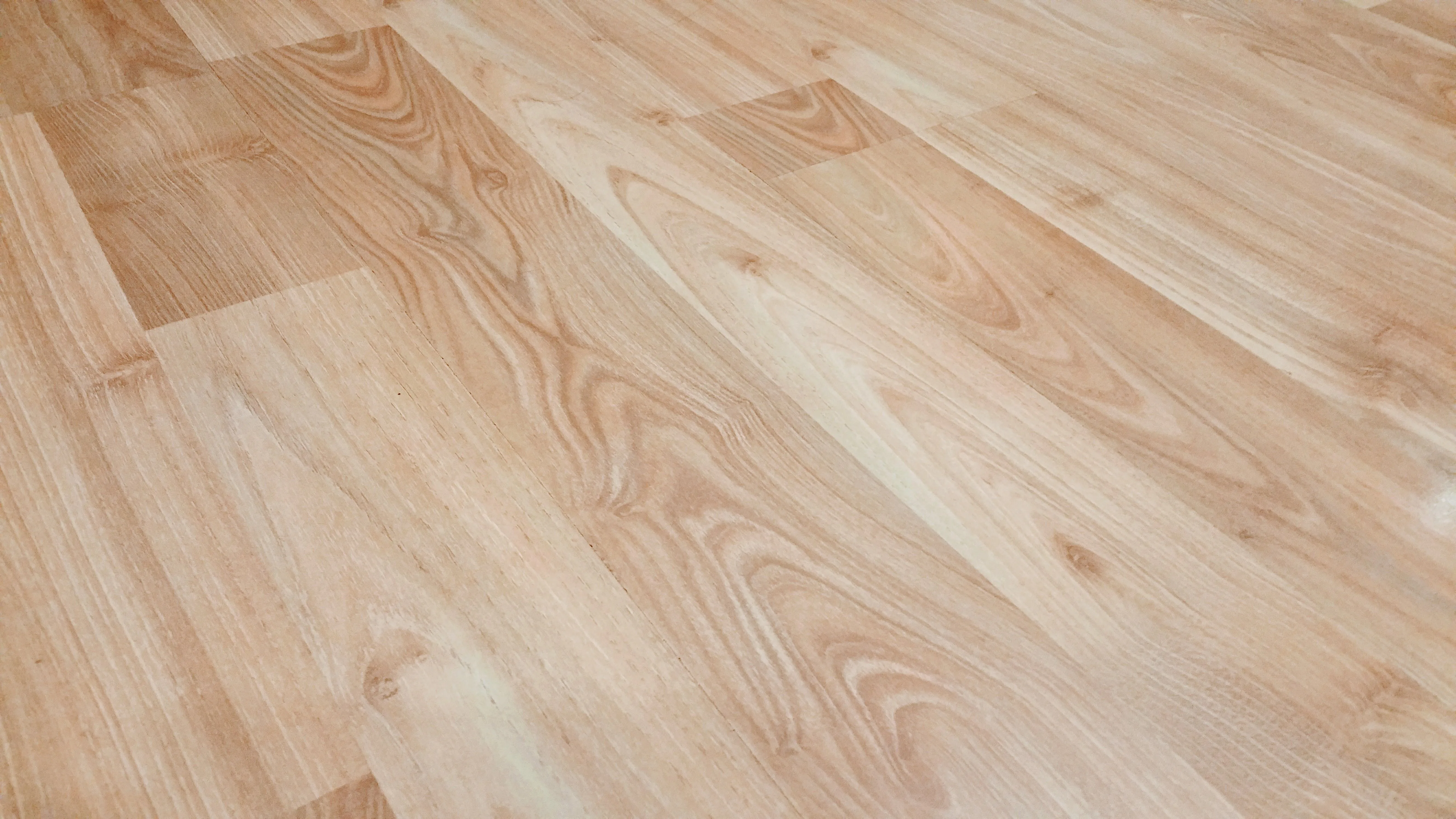
- LVP and laminate offer the best "looks expensive, isn't" ratio — both can convincingly mimic hardwood or stone at a third of the cost.
- Engineered over solid hardwood if you want a real wood floor without the solid-wood price — engineered holds up just as well in normal residential use and costs meaningfully less.
- Standard tile sizes (12"x12", 12"x24") over mosaic or large-format specialty tile.
- Buying material during retailer sales and scheduling labor-only installation separately — this unbundling can save 10-20% versus a full-service package deal.
DIY vs. Hiring a Pro
Flooring DIY-friendliness varies enormously by material. LVP and laminate are genuinely approachable for a careful DIYer thanks to click-lock systems designed for exactly that. Carpet installation requires stretching tools and technique that's harder to get right than it looks — a poorly stretched carpet shows ripples within months. Tile and hardwood are where we'd recommend hiring a pro for anything beyond a small, simple room: tile needs waterproofing and layout expertise (especially in wet areas), and hardwood needs acclimation time, precise nailing or gluing technique, and finishing skill that takes real practice. A mismatched DIY tile or hardwood job is also one of the hardest and most expensive things to fix after the fact, since ripping it out risks damaging the subfloor.
The Bottom Line
For most whole-home flooring budgets, a practical approach is LVP or laminate ($4-$9/sq ft) in bedrooms and living areas, with tile ($5.50-$13/sq ft) reserved for kitchens and bathrooms where moisture resistance actually matters — that mixed strategy typically lands a 1,500 sq ft home's flooring budget around $8,000-$16,000 total installed, versus $25,000+ if you put solid hardwood or natural stone throughout. Always get the subfloor inspected before finalizing a quote — it's the one variable that applies no matter which material you pick.
Sources: This Old House — Flooring Installation Cost by Type, CostToRenovate — How Much Does New Flooring Cost 2026