Cold air doesn't wait for a convenient weekend. If you can feel a draft at a window edge in September, that same gap will be pulling heat out of your house — and money out of your utility bill — from November through March. The fix is cheap. The timing is what most people get wrong.
Why this is a race against temperature, not the calendar
Caulk and weatherstripping are chemical products, not just gap-fillers, and they have working ranges:
- Caulk needs surface and air temperatures above roughly 40–45°F to cure properly. Apply it colder than that and it can skin over without bonding, which means it fails again by the first freeze.
- Weatherstripping adhesive wants a clean, dry surface and temperatures above about 20°F, but it also sticks far better — and lasts longer — when applied in mild, dry conditions rather than cold, damp ones.
That gives you a real window (pun intended): late summer through mid-fall, before the first hard freeze in your region. Waiting until the cold snap that made you notice the draft in the first place is exactly the wrong move — you'll be sealing in worse conditions, on a rushed timeline, right when hardware stores sell out of kits.
Find every leak before you buy anything
Don't guess. Fifteen minutes of testing saves you from sealing the wrong spot.
- The hand test. On a breezy day, run your hand slowly around the interior window frame, sash, and lock. A cold draft on your palm marks the leak.
- The candle or incense test. Hold a lit candle or incense stick near the frame edges with the window closed. Flickering or bending smoke reveals air movement even when you can't feel it.
- The dollar-bill test for the sash. Close the window on a strip of paper or a dollar bill. If it slides out with little resistance, the sash isn't sealing evenly and needs new weatherstripping, not just caulk.
- Check the usual suspects: where the frame meets the wall (exterior caulk line), where the sash meets the frame (weatherstripping), and around any operable hardware or trim.
Seal it: the right material for each gap
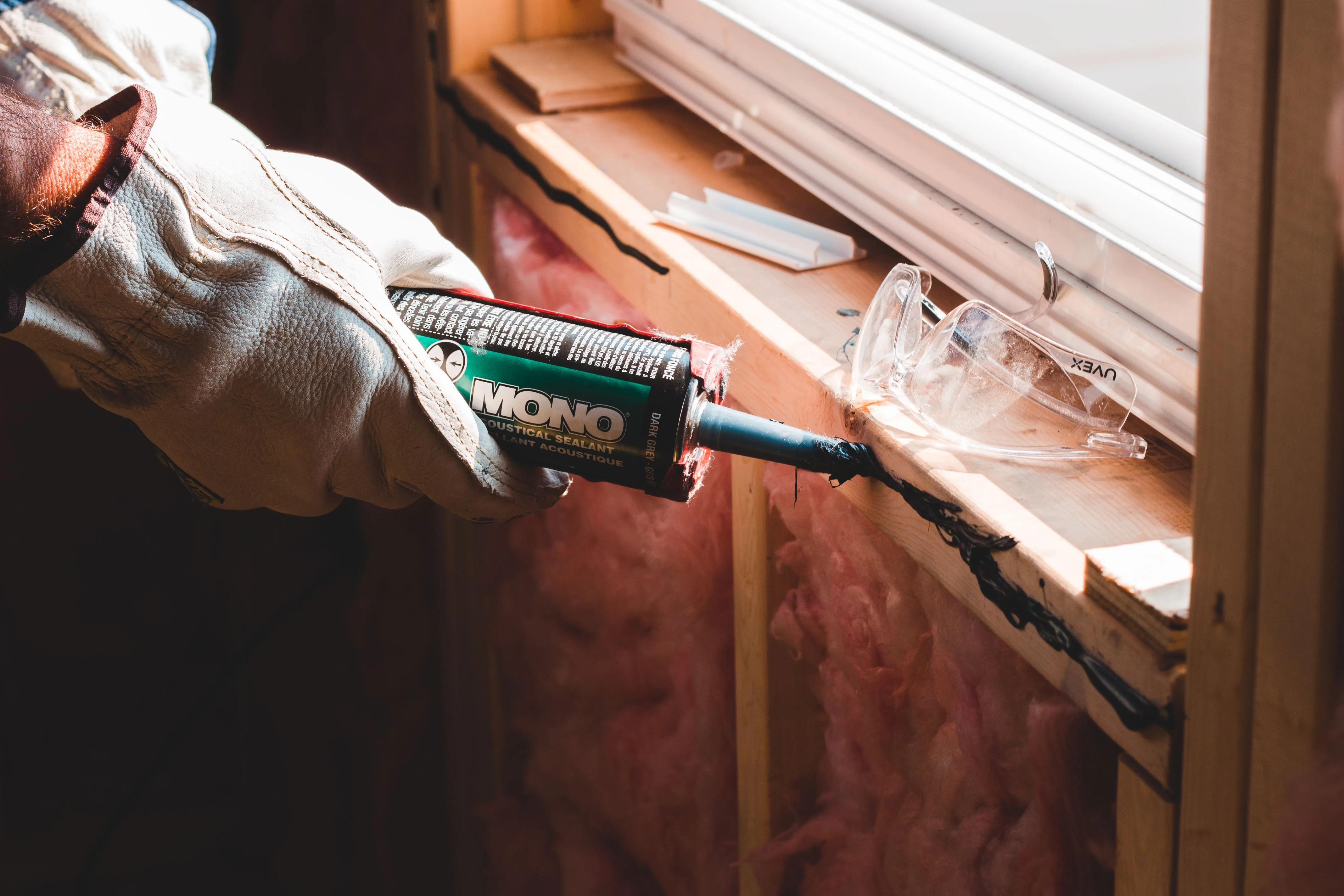
- Frame-to-wall gaps (fixed, non-moving joints): Use exterior-grade silicone or siliconized acrylic caulk. Strip out old, cracked caulk first — new caulk won't bond over failed caulk — then apply a smooth, continuous bead.
- Sash-to-frame gaps (moving parts): Use adhesive-backed foam or V-strip weatherstripping, not caulk, since the window still needs to open. Clean the channel with rubbing alcohol before applying so the adhesive actually grips.
- Whole-pane drafts on old or single-pane windows: A shrink-film window insulation kit (clear plastic taped around the frame, tightened with a hairdryer) adds a cheap second layer of insulation for the season without altering the window itself.
- Larger or uneven gaps: Low-expansion spray foam works around the frame perimeter where it meets rough framing, but keep it away from the sash track — it can bind moving parts.
Let caulk cure fully (check the tube for cure time, often 24 hours) before painting over it or closing the window on it repeatedly.
A pre-winter checklist
- Test every window with the hand, smoke, or paper method
- Strip old, failed caulk before reapplying
- Caulk fixed frame joints on a day above 45°F
- Apply weatherstripping to sash contact points on a dry day above 20°F
- Add shrink film to any single-pane or older windows
- Recheck with the hand test on the next windy day
What happens if you skip it
A drafty window doesn't just feel cold — it forces your heating system to run longer to compensate, and that shows up on your energy bill all winter. Left unsealed year after year, moving air past a frame can also drive moisture into the wall cavity, setting up conditions for rot or mold well before you'd notice from inside. If you missed the fall window and it's already freezing, weatherstripping is still workable in a pinch; save caulking for the next mild stretch, and use shrink film or a draft snake as a stopgap in the meantime.