A dirty filter is the single easiest way to make an HVAC system work harder for worse results. It's also the easiest maintenance job in the house — no tools, no shutoff valves, just the right filter and the right interval. The trouble is that "the right interval" isn't one number; it depends on the filter type and what's happening in your home.
The interval depends on what kind of filter you have
There's no single universal answer, but manufacturer guidance clusters around these ranges:
- Basic fiberglass filters: replace roughly every 30 days. They're inexpensive and disposable by design, not meant to last a season.
- Standard 1-inch pleated filters: every 1 to 3 months. This is the most common residential setup, and 90 days is the widely cited default.
- 4-inch media filters (deeper filters often built into higher-end systems): every 6 to 12 months, since their larger surface area holds more debris before airflow suffers.
- HEPA-grade filters: every 6 to 12 months, depending on the unit and usage.
Adjust for your household, not just the filter box
The printed interval assumes average conditions. Shorten it if any of these apply to you:
- Pets in the home: change every 60 days instead of 90; multiple pets, closer to monthly.
- Allergies or respiratory conditions in the household: 20–45 days is the tighter range worth following.
- Renovation, construction, or heavy dust nearby: check monthly regardless of filter type — construction dust clogs filters far faster than normal household dust.
- Wildfire smoke season or high-pollen weeks: treat it like a heavy-use month and check more often.
- A system that runs constantly (peak summer AC or peak winter heat) versus one that's mostly idle in shoulder seasons — more runtime means faster loading, so tighten the interval during the months your system works hardest.
How to actually check it, not just guess
Don't wait for a fixed date if you can look instead. Pull the filter and hold it up to a light source:
- If light passes through easily and you can still see the individual fibers or pleats, it's fine for now.
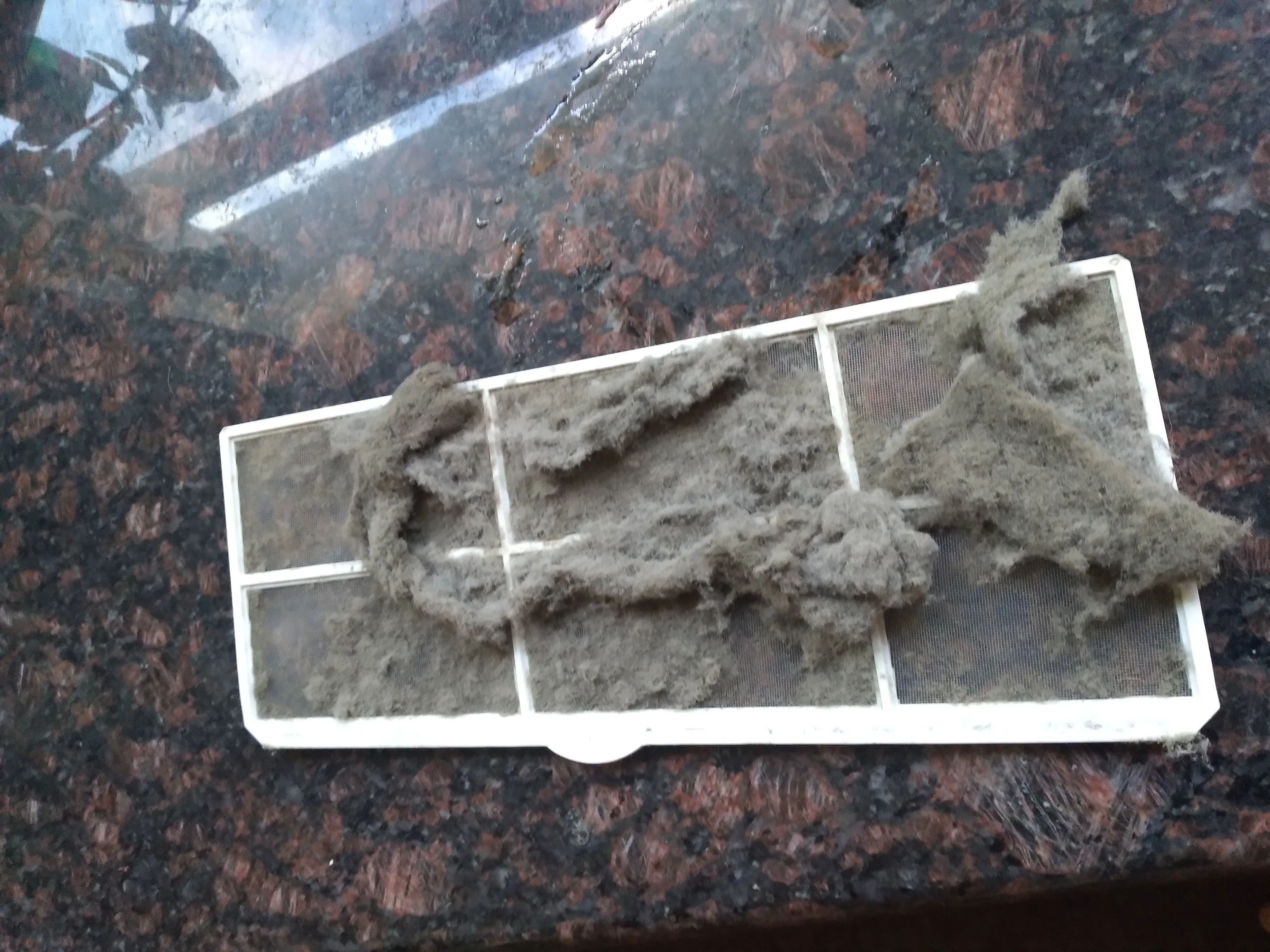
- If it looks gray, matted, or blocks most of the light, replace it — regardless of how many days it's been.
- Make this a monthly five-minute habit at first until you learn how fast your specific system and household load a filter; then you can settle into a predictable interval instead of guessing.
Always match the replacement filter's size (printed on the frame) and MERV rating to what your system is designed for — a higher MERV rating isn't automatically better if your blower isn't rated to pull air through it, since an overly restrictive filter can strain the system just like a dirty one does.
A simple seasonal schedule
- Every month, first year in a new home: Check filter condition against a light source
- Every 60–90 days (typical pleated filter, no pets/allergies): Replace on schedule
- Start of cooling season / start of heating season: Always replace, regardless of last date, since this is peak runtime
- After any renovation or dusty work indoors: Check immediately, don't wait for the next scheduled date
What happens if you skip it
A clogged filter restricts airflow, which forces the blower motor to work harder and can shorten its lifespan. Reduced airflow also means the system takes longer to heat or cool the space, driving up energy use for a worse result, and in extreme cases a badly clogged filter can cause a coil to freeze up or a furnace to overheat and shut down. If you've lost track of when you last changed it, don't wait for the next calendar milestone — pull it out and look at it today. That single check tells you more than any generic interval.